

The numbers reveal an uncomfortable truth about corporate leadership.
Women make up just 8% of Russell 3000 CEOs, yet they account for 15% of activist campaigns explicitly targeting CEOs. Female CEOs are nearly twice as likely to face activist pressure as their male counterparts—a disparity that demands attention from boards, HR leaders, and the executive search community.
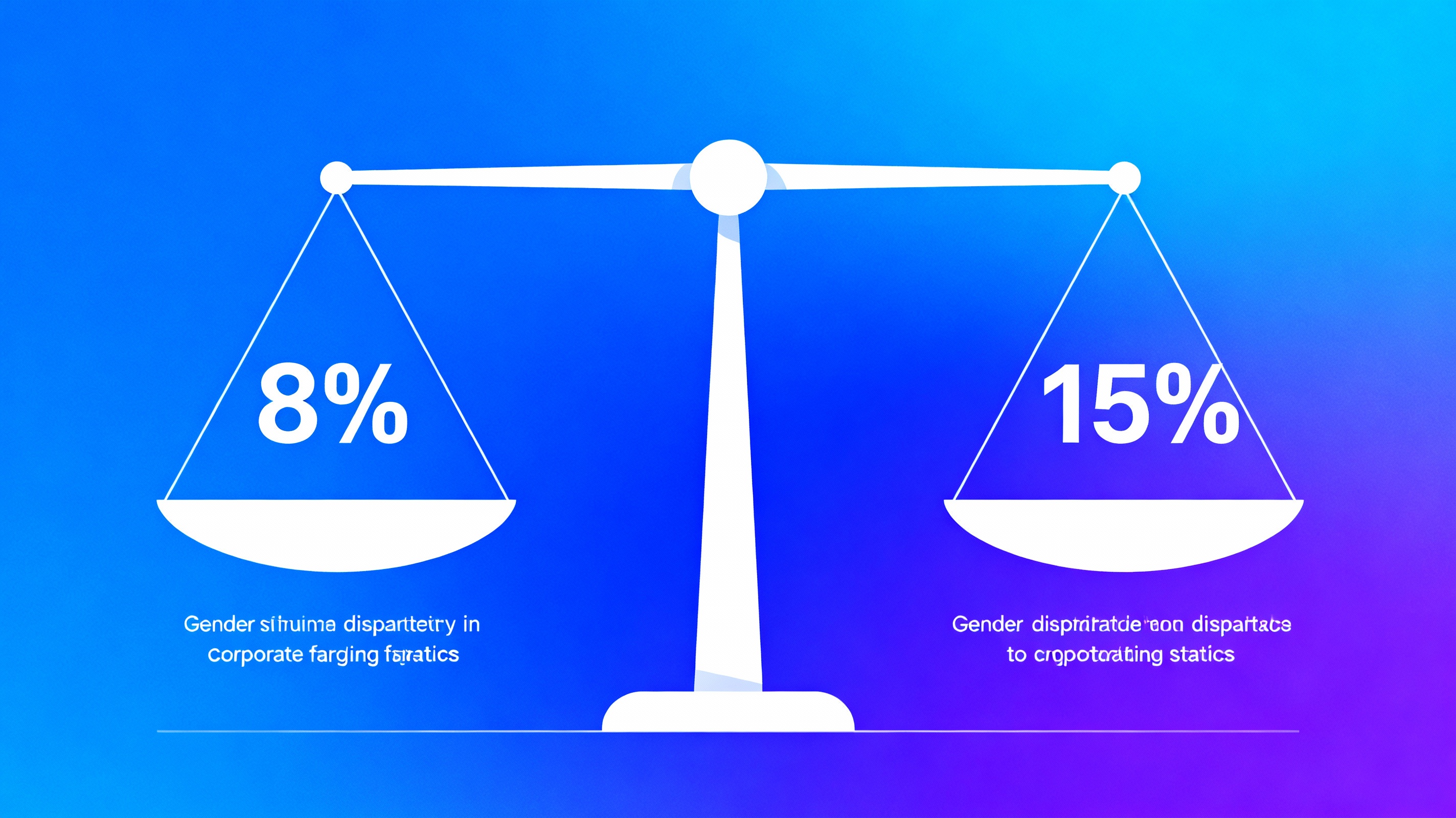
The Targeting Gap Is Real
The Conference Board's 2025 data is stark: women are disproportionately in activists' crosshairs.
This isn't explained by performance differences. Multiple studies show female CEOs deliver comparable or superior returns to male peers. The disparity points to something else—whether conscious bias, perceived vulnerability, or strategic calculus by activist funds.
The Context Matters
Female CEO representation has grown slowly but steadily:
- Fortune 500 female CEOs reached 10.4% in 2024
- Russell 3000 female CEOs at approximately 8%
- First-time female CEO appointments increasing
Yet this progress occurs against a backdrop of record activist activity. Q3 2025 saw 61 new campaigns launched globally—a record quarter. In this aggressive environment, the targeting disparity becomes especially consequential.
Why Female CEOs May Face Greater Scrutiny
Several hypotheses explain the targeting gap:
The Visibility Paradox
Female CEOs receive disproportionate media attention simply because they're rare. This visibility creates higher scrutiny—every stumble is magnified, every challenge publicized. Activists may perceive this visibility as creating favorable conditions for their campaigns.
The "Glass Cliff" Legacy
Research shows women are more likely to be appointed CEO during periods of organizational crisis—the so-called "glass cliff" phenomenon. If female CEOs are disproportionately leading troubled companies, they may face more activist attention by virtue of their company situations rather than their gender per se.
Perceived Board Support
Activists assess board cohesion when selecting targets. If boards that appointed female CEOs are perceived as less unified or more susceptible to pressure, activists may see easier paths to success.
Network Effects
Male CEOs often have deeper relationships with institutional investors and board members from longer careers in senior roles. These networks can provide early warning of activist interest and informal channels for resolution. Female CEOs building these networks from scratch may have less protective infrastructure.

The HR Leadership Imperative
For CHROs, this data demands concrete action:
1. Strengthen Board-CEO Alignment
Activist success depends partly on perceived board-CEO divisions. HR leaders should ensure communication channels between the CEO and board are robust, and that the board presents unified support during any activist approach.
Work with your board chair to establish protocols for rapid board communication when activist interest emerges.
2. Build Protective Networks
Help female CEOs build relationships with key institutional investors before they need them. Proactive investor engagement creates allies who may discourage activist campaigns or provide early intelligence.
3. Develop Crisis Communication Plans
Given the visibility paradox, female CEOs may face more intense media scrutiny during challenges. Ensure crisis communication infrastructure is robust and that the CEO has skilled communications support.
4. Monitor Activist Intelligence
Track 13F filings, unusual trading patterns, and activist fund statements that might indicate interest in your company. GracePeak maintains market intelligence capabilities that help organizations identify potential challenges early.
What Boards Must Consider
Boards appointing female CEOs should recognize the elevated activist risk and plan accordingly:
Don't Set Up for Failure
If your company is in crisis, consider whether appointing any new CEO—male or female—into an activist-rich environment is setting them up for failure. Stabilize first if possible.
Provide Explicit Support
Public board statements of confidence matter. When activist campaigns emerge, unified board support can deter escalation.
Plan for the Long Term
Female CEOs building track records need time. Boards that panic at the first sign of activist interest undermine the leaders they appointed.
The Broader Context
The female CEO targeting disparity exists within a broader pattern of shrinking CEO tenures and aggressive activism. Average CEO tenure dropped to 6.8 years in H1 2025—the lowest since 2018. Record numbers of CEOs departed following activist pressure in 2024.
In this environment, any CEO faces elevated risk. Female CEOs face even more.
The Path Forward
Addressing this disparity requires action at multiple levels:
For Search Firms
When placing female CEO candidates, ensure boards understand the activist landscape and have plans to support their new leader through potential challenges. GracePeak includes activist preparedness in our executive placement discussions.
For Boards
Recognize that appointing a female CEO may attract additional scrutiny. Plan for it rather than being surprised by it.
For HR Leaders
Build the infrastructure—networks, communication plans, board alignment—that protects all CEOs, with particular attention to factors that may disproportionately affect female leaders.
The goal isn't to discourage female CEO appointments—representation matters and must continue advancing. The goal is to ensure female CEOs have the organizational support to succeed despite facing a tilted playing field.
---
Building leadership pipelines that support diverse executives? [Contact GracePeak](/contact) to discuss how we help organizations prepare leaders for the full range of challenges they'll face.