

The path to the corner office has fundamentally changed.
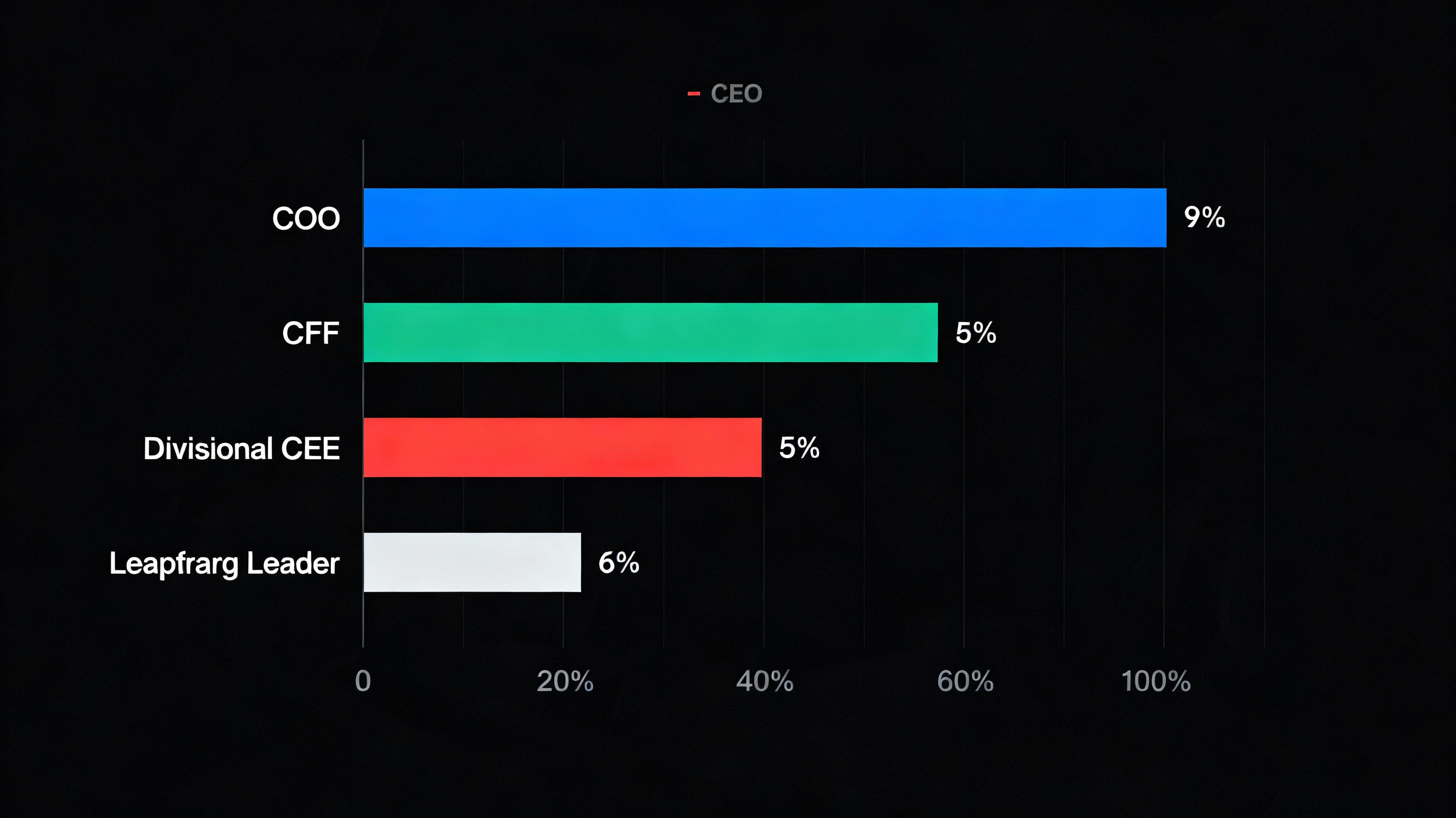
COOs and other executives both made up 22% of incoming CEOs in 2024, ahead of existing CEOs at 15%, CFOs at 10%, and regional heads at 4%. In the S&P 500 and India's NIFTY 50—markets at the forefront of technological transformation—the COO figure rises to 33%.
This isn't a temporary trend. It reflects a fundamental recalibration of what boards value in their next CEO—and operational excellence now sits at the top of the list.
The Historical Shift
The COO-to-CEO pipeline isn't new, but its dynamics have evolved dramatically:
Early 2000s: 76% of new CEOs were promoted from COO positions, making operations experience the dominant pathway.
2020: The COO pathway declined to 38%, as boards diversified their candidate pools and CFO and divisional CEO routes gained prominence.
2024-2025: COO has rebounded as the joint-highest route to the top, reflecting renewed emphasis on operational execution in uncertain markets.
The pattern suggests boards oscillate between operational and financial leadership based on market conditions. In high-growth, stable environments, financial engineering and M&A expertise gain favor. In volatile, execution-focused markets, operational excellence becomes paramount.
Why COOs Are Winning Now
Several factors explain the current COO advantage:
Execution Complexity Has Increased
Supply chain disruptions, labor market challenges, technology transformation, and regulatory complexity have made operational execution harder than ever. Boards want CEOs who've demonstrated they can manage this complexity—not just theorize about it.
COOs bring direct experience with:
- Cross-functional coordination under pressure
- Technology implementation at scale
- Workforce transformation and culture management
- Vendor and partner ecosystem management
The "Doer" Premium
It takes different DNA to lead in a volatile environment than in a growth one. Boards increasingly distinguish between executives who can develop strategy and those who can execute it. COOs have typically proven both.
Digital Transformation Leadership
Many COOs have led digital transformation initiatives—ERP implementations, automation programs, AI adoption. This experience is directly relevant to the technology-centric challenges facing every industry.
Customer and Employee Proximity
Unlike CFOs or strategy executives, COOs typically have direct exposure to customers, frontline employees, and operational realities. This ground-level understanding translates into more realistic strategic planning as CEO.
The Performance Question
Does COO experience actually predict CEO success? The data is nuanced:
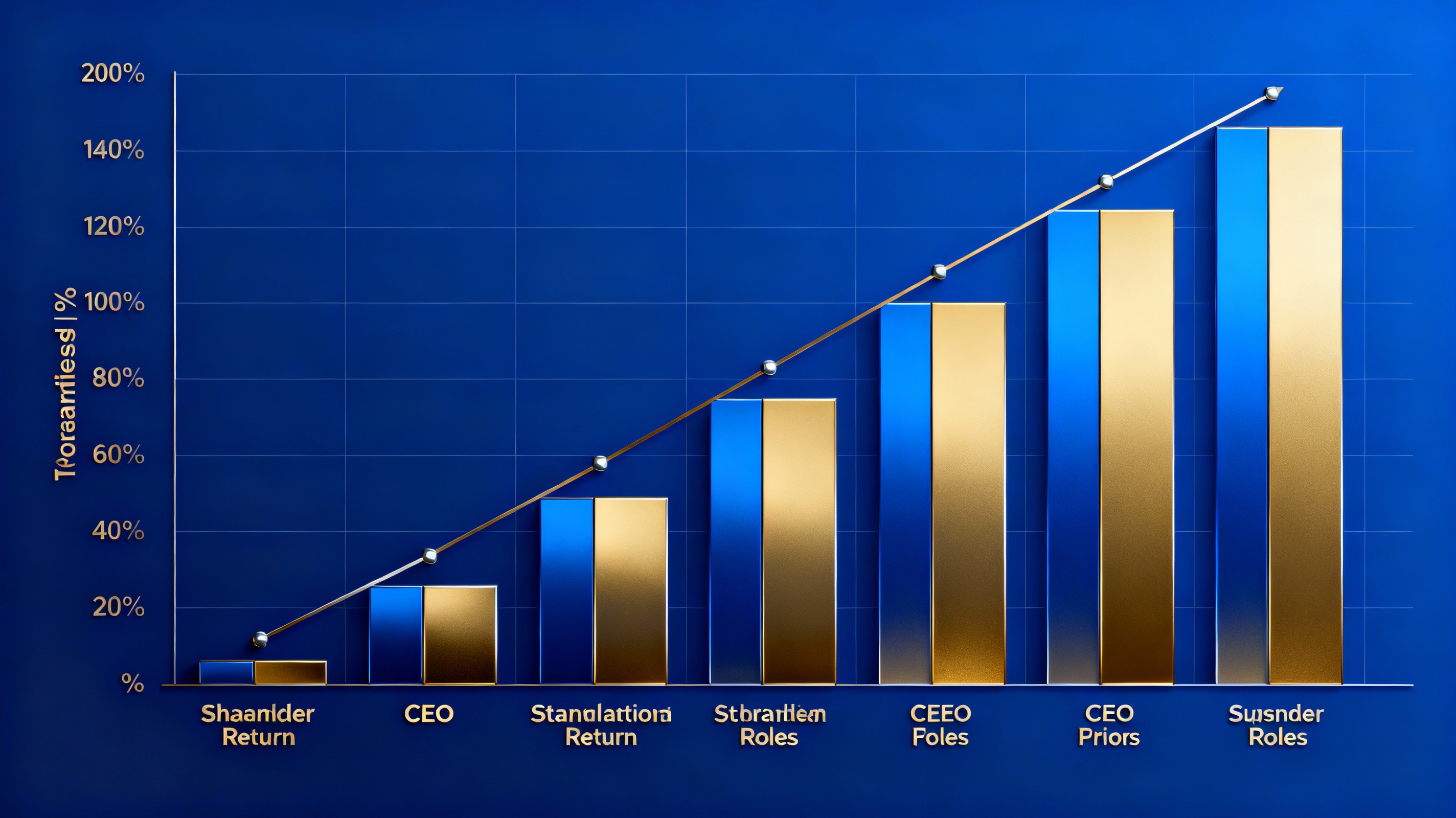
Spencer Stuart found that when measured by shareholder return, the performance rankings were:
- Leapfrog leaders (promoted from below C-suite): 41.2% of top performers
- Divisional CEOs: 27.4% of top performers
- COOs: 24.6% of top performers
- CFOs: 7.9% of top performers
This suggests COO experience is valuable but not determinative. The top performers—leapfrog leaders—often bring fresh perspectives and haven't been constrained by existing organizational politics. Divisional CEOs have proven P&L leadership in mini-CEO roles.
COOs fall in the middle: strong operational foundation, but potentially limited by the #2 role's scope.
Company Size Matters
The COO pathway varies significantly by company scale:
Smaller Companies and Startups
For smaller companies, CEOs are more likely to come from COO roles, where hands-on operational experience is essential. Venture capital-backed companies particularly favor COOs and CROs who can drive rapid scaling and execution.
In these environments, the CEO must be operationally fluent—there's no large staff to delegate execution. COO experience directly prepares leaders for this reality.
Large Enterprises
At large companies, the CEO role becomes more externally focused—investor relations, board management, regulatory engagement, M&A strategy. COO experience remains valuable but may need supplementation through board exposure, investor relations training, and strategic planning experience.
PE-Backed Companies
Private equity increasingly values COO backgrounds for portfolio company leadership. The emphasis on operational value creation aligns perfectly with COO skill sets.
What This Means for Aspiring CEOs
For executives targeting the corner office, the data suggests:
Seek Operational Scope
Pure functional leadership (marketing, HR, finance) is less likely to lead to CEO roles than broad operational responsibility. Look for P&L ownership, cross-functional coordination, and enterprise-wide transformation leadership.
Build the Full Stack
COOs who become successful CEOs typically supplement operational expertise with:
- Board exposure and governance experience
- Investor relations fluency
- Strategic planning capability
- External visibility and industry presence
Consider the Divisional CEO Path
Running a business unit as CEO—even a smaller one—provides fuller preparation than the COO role alone. Divisional CEOs have authority over strategy, talent, and capital allocation that COOs may lack.
Don't Overlook the Leapfrog
The highest-performing CEOs often came from unexpected places—senior VP roles, functional leadership positions, or adjacent industries. If you're not on a traditional COO track, a compelling value creation narrative can still win board support.
What This Means for Boards
Boards evaluating CEO candidates should consider:
Assess Operational Depth
COO experience isn't uniform. Some COOs have genuine enterprise-wide operational authority; others are primarily chief of staff or integration coordinators. Evaluate the actual scope and accountability of the candidate's operational experience.
Test Strategic Capability
Strong operators don't automatically become strong strategists. Assess whether COO candidates have contributed to strategic decisions, not just executed them.
Consider the Transition Challenge
Moving from #2 to #1 is psychologically significant. Candidates who've been loyal deputies may struggle with the loneliness and ultimate accountability of the CEO role. Look for evidence of independent judgment and comfort with final authority.
Don't Default to Internal COO
67% of current CEOs were appointed internally, and the sitting COO is often the obvious choice. But obvious isn't always optimal. External candidates or divisional leaders may bring fresh perspectives the internal COO cannot.
The Path Forward
The COO-to-CEO pipeline will likely remain strong as long as operational complexity dominates the business environment. Boards facing digital transformation, supply chain restructuring, or workforce evolution will continue valuing leaders who've demonstrated they can execute—not just strategize.
For COOs aspiring to the top role, the opportunity is clear: operational excellence is more valued than ever. The challenge is ensuring you're building the full leadership stack—strategic vision, board fluency, and external presence—that distinguishes successful CEOs from excellent operators.
---
Evaluating COO candidates for CEO succession? [Contact GracePeak](/contact) to discuss how we help boards assess operational leaders for the corner office.