
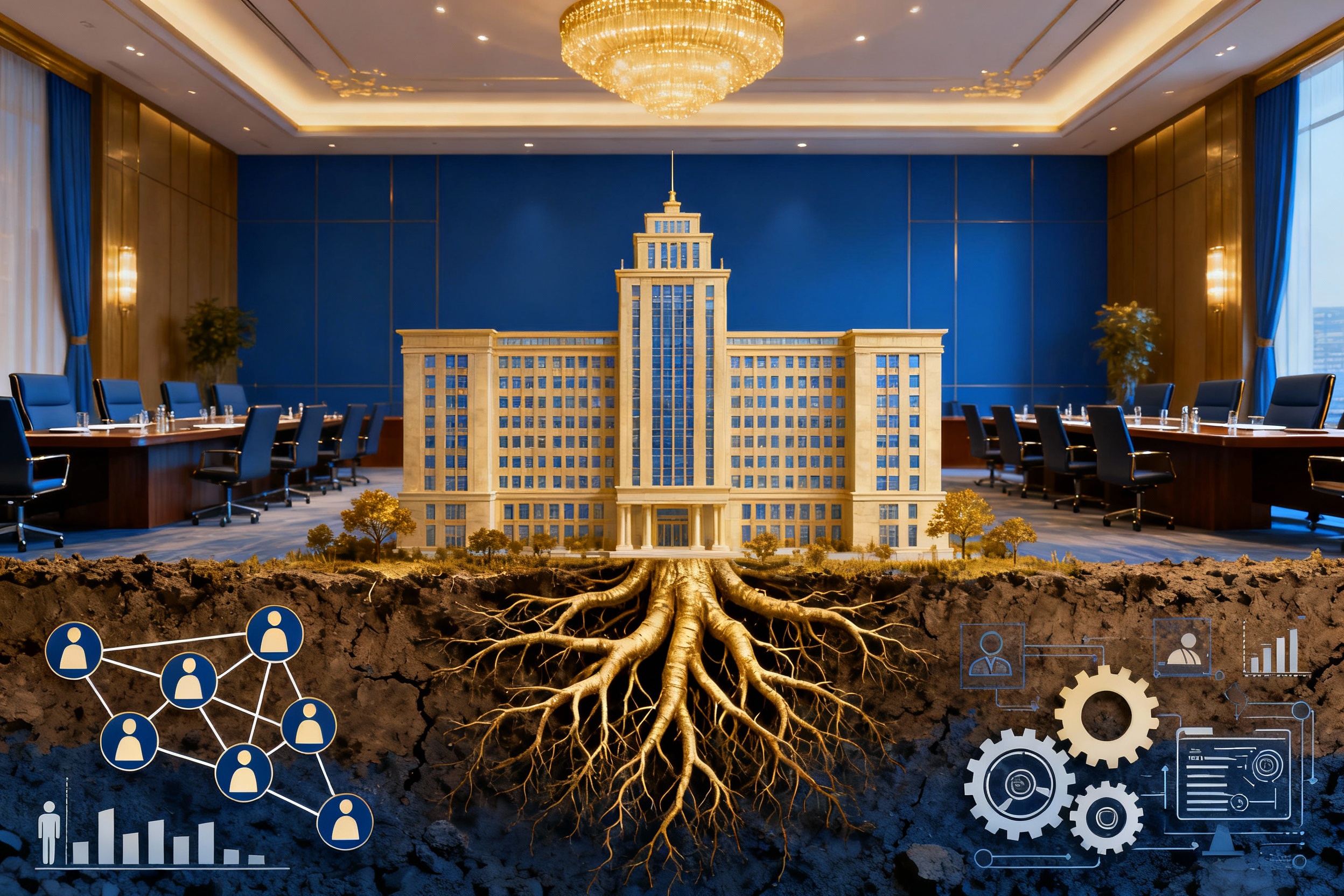
The Legacy Illusion
CEOs often believe their accomplishments will outlast their tenure. Most are wrong.
The fragility reality:
- 60% of major change initiatives launched by departing CEOs are reversed or abandoned within three years
- Company cultures often revert toward pre-CEO patterns within 18-24 months of transition
- Strategic directions frequently shift significantly with new leadership
- Personal relationships and institutional knowledge walk out the door with the departing CEO
Why legacies fade:
Personality dependence: Achievements built on CEO personality rather than organizational capability disappear when the personality leaves.
Insufficient institutionalization: Changes never embedded deeply enough to survive leadership transition.
Successor divergence: New CEOs establish their own identity by changing what predecessors built.
Organizational memory limits: Institutions forget faster than individuals imagine.
The CEO who assumes their legacy is secure because their tenure was successful is usually mistaken. Legacy must be built deliberately—or it won't be built at all.
What Constitutes Lasting Legacy
Legacy Category 1: Institutional Capability
The most durable legacy is organizational capability that persists beyond the CEO.
Capability examples:
Operational excellence: Systems, processes, and disciplines that produce consistent results regardless of leadership.
Innovation engine: Processes for continuous innovation that generate new products, services, and approaches.
Talent development: Systems that identify, develop, and promote talent generation after generation.
Strategic planning: Capabilities for strategic analysis and execution that survive individual strategists.
Why capability endures:
Capability is organizational, not personal. It's embedded in systems, processes, people, and culture—not in the CEO's presence. Successors may modify capability but rarely eliminate what genuinely works.
Legacy Category 2: Cultural Foundation
Culture changes slowly but persists powerfully—if deeply embedded.
Cultural legacy elements:
Values embodiment: Organizational values practiced consistently, not just stated. Values that guide behavior without enforcement.
Decision patterns: How the organization makes decisions—who's involved, what criteria matter, how disagreements resolve.
Relationship norms: How people treat each other, how conflict is handled, how success is celebrated.
Performance standards: What constitutes acceptable performance. What excellence looks like. What mediocrity costs.
Why culture endures:
Culture is collective, not individual. It's held by thousands of people making millions of daily decisions. Successors can influence culture but can't easily override deeply embedded patterns.
Legacy Category 3: Strategic Position
Competitive position built during tenure can outlast the tenure itself.
Strategic position elements:
Market position: Market share, brand strength, customer relationships that create sustainable advantage.
Capability moats: Competitive capabilities that competitors cannot easily replicate.
Asset foundations: Physical, intellectual, and relationship assets that enable future success.
Platform creation: Business platforms that enable future innovation and growth.
Why position endures:
Strong competitive positions create their own momentum. Customers, partners, and markets respond to position. Successors inherit position advantages (or disadvantages) that persist regardless of leadership change.
Legacy Category 4: People Development
People developed during CEO tenure continue leading long after.
People legacy elements:
Leadership bench: Leaders developed under the CEO's tenure who continue leading for decades.
Talent network: Talent connections and relationships that continue producing value.
Alumni impact: Former employees who carry capabilities and values to other organizations.
Successor success: The CEO's direct successor succeeding—the most visible people legacy.
Why people endure:
People are the most durable organizational asset. A CEO who develops 50 leaders leaves 50 carriers of their approach. Those leaders develop others, creating geometric multiplication of impact.
Building Legacy Deliberately
Legacy Building Phase 1: Awareness (Years 1-3)
Early tenure should include legacy consciousness.
Awareness activities:
Legacy vision: What do you want to be remembered for? What should persist after you leave?
Sustainability assessment: Which of your early achievements depend on you personally versus organizational capability?
Foundation identification: What foundational capabilities, culture elements, or positions should you build?
Timeline recognition: What can you accomplish in your expected tenure? What requires choices?
The awareness discipline:
Most CEOs don't think about legacy until late in tenure. By then, it's too late to build deliberately. Legacy awareness from the beginning enables deliberate building.
Legacy Building Phase 2: Foundation (Years 3-7)
Mid-tenure should focus on building legacy foundations.
Foundation activities:
Capability building: Investing in organizational capabilities that will outlast personal tenure.
Culture embedding: Moving from culture articulation to culture institutionalization.
People investment: Intensive development of leaders who will carry forward your approach.
System creation: Building systems and processes that encode your priorities into organizational operation.
The foundation discipline:
This is when legacy is actually built. Activities during this phase determine what will persist. Underinvestment in foundation building limits ultimate legacy.
Legacy Building Phase 3: Institutionalization (Years 7-10)
Later tenure should focus on making legacy permanent.
Institutionalization activities:
CEO-independence testing: Can capabilities, culture, and position survive without you? Test by stepping back.
Documentation: Recording institutional knowledge that might otherwise walk out with you.
Transition preparation: Preparing successors to continue (or appropriately evolve) what you've built.
Stakeholder anchoring: Ensuring external stakeholders (board, investors, customers) understand and value what persists.
The institutionalization discipline:
Achievements not institutionalized are vulnerable to departure. The CEO's final years should focus on making achievements CEO-independent.
Legacy Building Phase 4: Transition (Final Years)
The transition itself is legacy-defining.
Transition activities:
Successor selection: Choosing and supporting a successor who will extend rather than reverse your work.
Knowledge transfer: Transferring knowledge that can't be documented—relationships, judgments, context.
Stakeholder transition: Helping key stakeholders transfer their trust and relationship to the successor.
Narrative establishment: Establishing the narrative about your tenure that will persist in organizational memory.
The transition discipline:
How you leave shapes how you're remembered. A graceful transition that enables successor success enhances legacy. A messy transition diminishes it.
Legacy Protection Strategies
Strategy 1: Reduce Personal Dependence
Legacy built on personal presence doesn't survive departure.
Dependence reduction approaches:
Delegation depth: Push decisions and capabilities deep into organization. Don't be the only one who can do critical things.
System encoding: Encode your approaches into systems that operate without your intervention.
Multiple carriers: Develop multiple people who carry your approaches, not just your successor.
Self-removal testing: Periodically step back completely. Does the organization function without you?
The dependence trap:
CEOs who make themselves indispensable feel important but undermine their legacy. The organization that can't function without you also can't preserve your legacy without you.
Strategy 2: Board Alignment
The board outlasts the CEO. Board alignment protects legacy.
Board alignment approaches:
Legacy communication: Help the board understand what matters most about your tenure and why.
Successor criteria: Influence successor selection criteria to include legacy continuity.
Governance embedding: Embed your priorities into governance structures—committee charters, board processes, oversight systems.
Director relationships: Build relationships with directors who will outlast your tenure and remember your priorities.
The board reality:
The board will select and guide your successor. Board members who understand and value your legacy will protect it. Board members who don't understand it may not.
Strategy 3: Cultural Anchoring
Culture survives through reinforcement, not declaration.
Cultural anchoring approaches:
Story embedding: Stories about who you are and what you value become organizational folklore that persists.
Symbol creation: Physical symbols, traditions, and rituals that reinforce culture.
Hero creation: Identifying and celebrating people who exemplify cultural values.
Sanction clarity: Clear consequences for culture violation that everyone observes.
The cultural truth:
Culture exists in daily behavior, not statements. CEOs who want cultural legacy must focus on embedding culture in behavior patterns that reinforce themselves.
Strategy 4: Successor Investment
The successor is your primary legacy carrier.
Successor investment approaches:
Deep development: Investing heavily in successor development—not just selection.
Relationship transfer: Helping successor build their own relationships, not just inheriting yours.
Wisdom transfer: Sharing the knowledge that can't be documented—what you learned that they'll need.
Support commitment: Committing to support successor after transition, if appropriate.
The successor truth:
Your successor's success or failure is attributed partly to you. A failed successor reflects poorly on your selection. A successful successor reflects well on your development. Invest accordingly.
The Legacy Killers
Killer 1: Staying Too Long
Extended tenure beyond optimal timing diminishes legacy.
How it kills legacy:
- Final years often marked by declining performance
- Legacy remembered for ending, not middle
- Successor inherits problems rather than momentum
- Organization eager for change undoes previous achievements
The lesson:
Leaving at the right time is legacy-protective. Staying too long is legacy-destructive.
Killer 2: Wrong Successor Selection
Selecting a successor who reverses your work destroys legacy immediately.
How it kills legacy:
- Successor establishes identity by undoing predecessor
- "New direction" means abandoning old direction
- Successor's changes attributed to predecessor's failures
- Organizational memory shifts to successor's narrative
The lesson:
Successor selection may be your most important legacy decision. Don't optimize for board approval or personal preferences—optimize for legacy continuation.
Killer 3: Messy Transition
Transition problems undermine all that came before.
How it kills legacy:
- Transition difficulties become the remembered story
- Organizational focus on transition problems versus achievements
- Successor struggles attributed to predecessor's inadequate preparation
- Relationships damaged in transition don't recover
The lesson:
Invest in transition as heavily as you invested in achievements. A graceful departure is as important as a successful tenure.
Killer 4: Post-Departure Interference
CEOs who can't let go undermine their own legacies.
How it kills legacy:
- Interference undermines successor authority
- Board and organization tire of former CEO's involvement
- Narrative shifts to "couldn't let go" from achievements
- Successor failures attributed to interference, successes to successor alone
The lesson:
Once you leave, leave. Support if asked; interfere never. Your post-departure behavior shapes legacy as much as your tenure.
The Board's Role in Legacy
Supporting Legacy Building
Boards should actively support CEO legacy building.
Support activities:
Legacy conversation: Discuss legacy with CEO. What should persist? What's the plan for ensuring it?
Resource provision: Ensure resources for legacy-building activities—succession planning, capability building, transition preparation.
Institutionalization support: Help identify what needs institutionalization before departure.
Transition planning: Active board engagement in transition planning that serves legacy.
Protecting Legacy Post-Transition
Boards can protect legacy after CEO departure.
Protection activities:
Successor guidance: Guide successor toward continuity where appropriate, evolution where necessary.
Achievement memory: Maintain organizational memory of predecessor achievements.
Cultural continuity: Support cultural elements worth preserving.
Fair attribution: Ensure predecessor receives appropriate credit for foundation on which successor builds.
The Bottom Line
CEO legacy doesn't happen automatically. Achievements that seem permanent prove fragile. Impact that seems certain fades.
The legacy building imperative:
- Start early—legacy awareness from the beginning
- Build deliberately—capabilities, culture, position, people
- Institutionalize systematically—make achievements CEO-independent
- Transition gracefully—protect legacy through how you leave
What CEOs should do:
Define your legacy: What do you want to persist? What matters most about your tenure?
Build early: Don't wait until departure approaches. Build legacy foundations throughout tenure.
Test independence: Can your achievements survive without you? Test before departure.
Exit well: How you leave shapes what's remembered. Invest in graceful transition.
What boards should do:
Discuss legacy: Make legacy an ongoing CEO-board conversation.
Support building: Provide resources and support for legacy-building activities.
Protect post-transition: Guard valuable legacy elements after CEO departure.
The CEOs remembered decades later are those who built legacies that outlasted them—not just those who achieved during their tenure.
Build what lasts.
Because tenure ends.
But legacy—well-built—endures.