

When boards face a CEO vacancy and no obvious internal successor, the temptation is powerful: bring back the leader who built the company's success in the first place. It's fast, familiar, and feels safe.
It's also, according to the data, a mistake.
In 2024 and early 2025, 22 companies in the S&P 1500 reappointed former CEOs—making boomerang CEOs more common than at any time in the past decade. But the performance data tells a different story than boards expect.
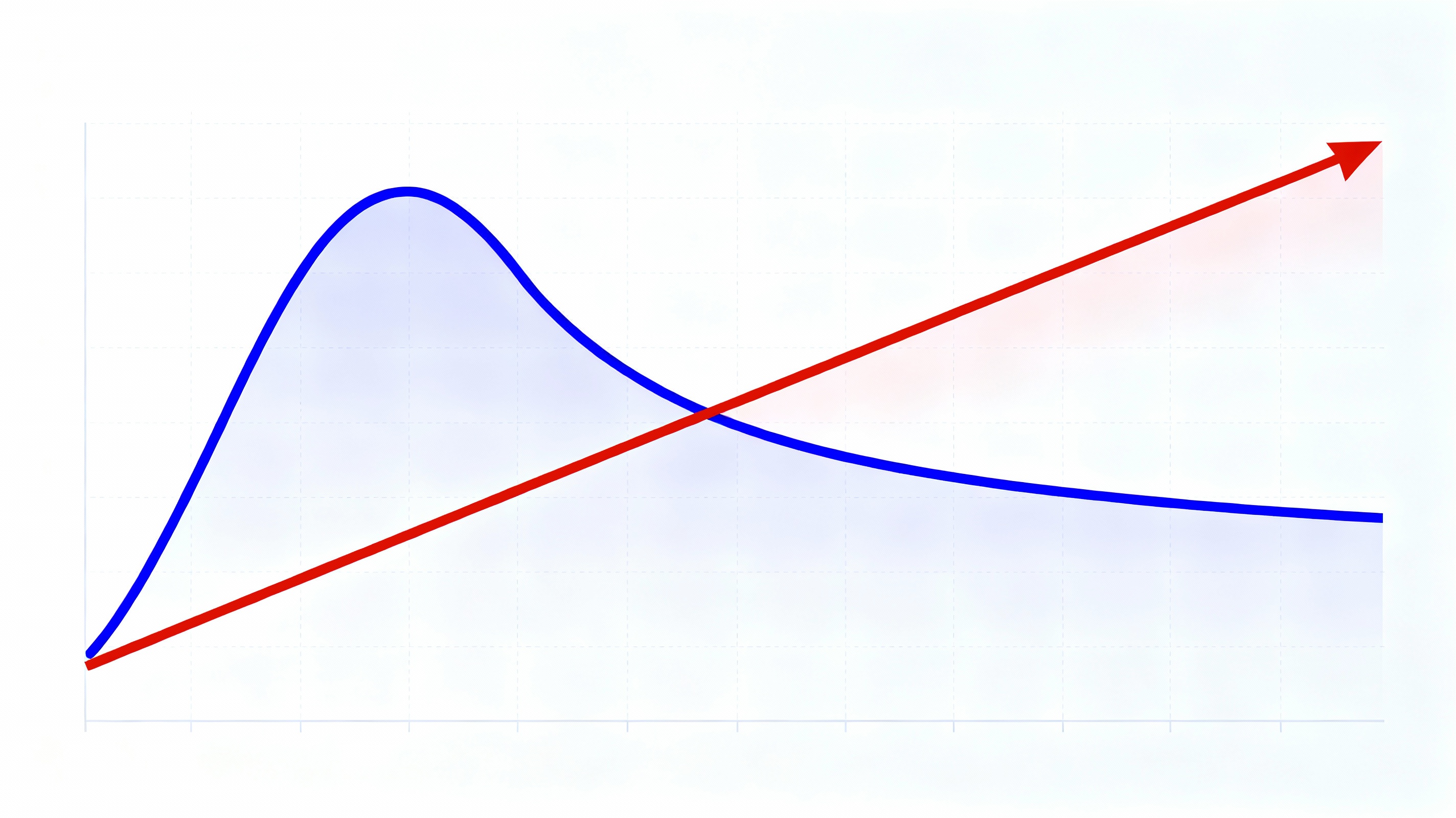
The Performance Gap
The numbers are stark:
7.4% lower total shareholder returns in their second terms, compared to 5.5% outperformance during their original tenures, according to Financial Times research.
10.1% lower annual stock performance compared to first-time CEOs, according to academic studies of boomerang appointments.
The pattern is consistent: leaders who excelled in their first tenure tend to underperform expectations when they return. The familiar choice isn't the safe choice—it's often the underperforming one.
Why Boomerang CEOs Underperform
Several factors explain the performance gap:
The Context Has Changed
The company that a returning CEO built is rarely the company they're returning to lead. Markets shift. Competitors evolve. Technology transforms industries. The playbook that worked before may be precisely wrong for current challenges.
Bob Iger returned to Disney facing streaming economics, theme park recovery, and content strategy challenges that didn't exist during his original tenure. Howard Schultz came back to a Starbucks dealing with unionization pressures and operational complexity that emerged after his departure.
The Team Is Different
Returning CEOs often find that the executive team, culture, and organizational capabilities have evolved. The relationships and trust that enabled their original success must be rebuilt—but now under the spotlight of elevated expectations.
Expectations Are Unrealistic
Boards bring back former CEOs expecting them to recreate past magic. Shareholders price in a turnaround. When performance matches typical CEO outcomes rather than legendary prior tenures, disappointment follows—even if the actual results are objectively reasonable.
The Development Gap Compounds
While the boomerang CEO leads, internal succession development often stalls. The organization trades short-term familiarity for longer-term leadership pipeline weakness—setting up the same succession crisis that created the vacancy in the first place.
Why Boards Keep Making This Choice
Despite the data, boomerang appointments continue because they solve immediate board problems:
Speed: External and internal searches take months. A former CEO can start immediately, bypassing the typical 3-6 month search process.
Reduced Onboarding Risk: Returning leaders know the company, the board, and often the key relationships. Integration risk appears lower than with a true external hire.
Board Comfort: Directors who worked with the former CEO have an established relationship. The unknown feels riskier than the known—even when data suggests otherwise.
No Obvious Alternative: When boards haven't developed internal successors and the immediate candidate pool seems weak, bringing back a proven leader feels like the only viable option.
The problem isn't that these concerns are invalid. It's that the solution underperforms the alternatives.

What Boards Should Do Instead
When facing a CEO vacancy without a ready internal successor, boards have better options than calling back former leadership:
Deploy an Interim While Searching Properly
33% of newly named CEOs in 2025 stepped into roles on an interim basis—up from 9% the prior year. This approach provides stability while allowing time for a thorough search.
The key is treating the interim period as a genuine search window, not just a placeholder until a permanent decision emerges. Six months of rigorous evaluation beats a rushed decision that underperforms for years.
Accelerate Internal Development
If internal candidates are close but not ready, consider accelerated development through:
- Expanded scope and responsibility
- Board exposure and visibility
- Executive coaching and support
- Clear success milestones
A stretched internal candidate with development support often outperforms a comfortable external hire—and certainly outperforms a boomerang whose context has changed.
Run a Genuine External Search
Yes, external CEOs cost 33% more than internal promotions. But that premium buys fresh perspective, new capabilities, and avoidance of the boomerang performance trap.
The comparison shouldn't be external hire vs. boomerang. It should be: which option gives us the best chance of success over the next decade?
Consider the Board-to-CEO Transition
Some companies appoint a board member as interim or permanent CEO. This provides institutional knowledge similar to a boomerang appointment but with fresh executive energy and different stakeholder relationships.
The Real Lesson
Boomerang CEO appointments are a symptom, not a solution. They reveal that boards failed to develop internal successors and are now seeking the fastest escape from a crisis of their own making.
The data is clear: returning CEOs deliver 7.4% lower returns than their original tenures. The familiar choice underperforms.
For boards facing succession decisions today, the message is uncomfortable but important: resist the temptation to call back a former leader. Take the time to find the right answer, not the fast one.
And for boards not yet facing a vacancy: start building the internal bench now, so you never face the boomerang temptation in the first place.
---
Facing a CEO succession decision? [Contact GracePeak](/contact) to discuss how we help boards evaluate all options—including why the familiar choice isn't always the right one.