

The private equity playbook has fundamentally changed, and so has the leadership it requires.
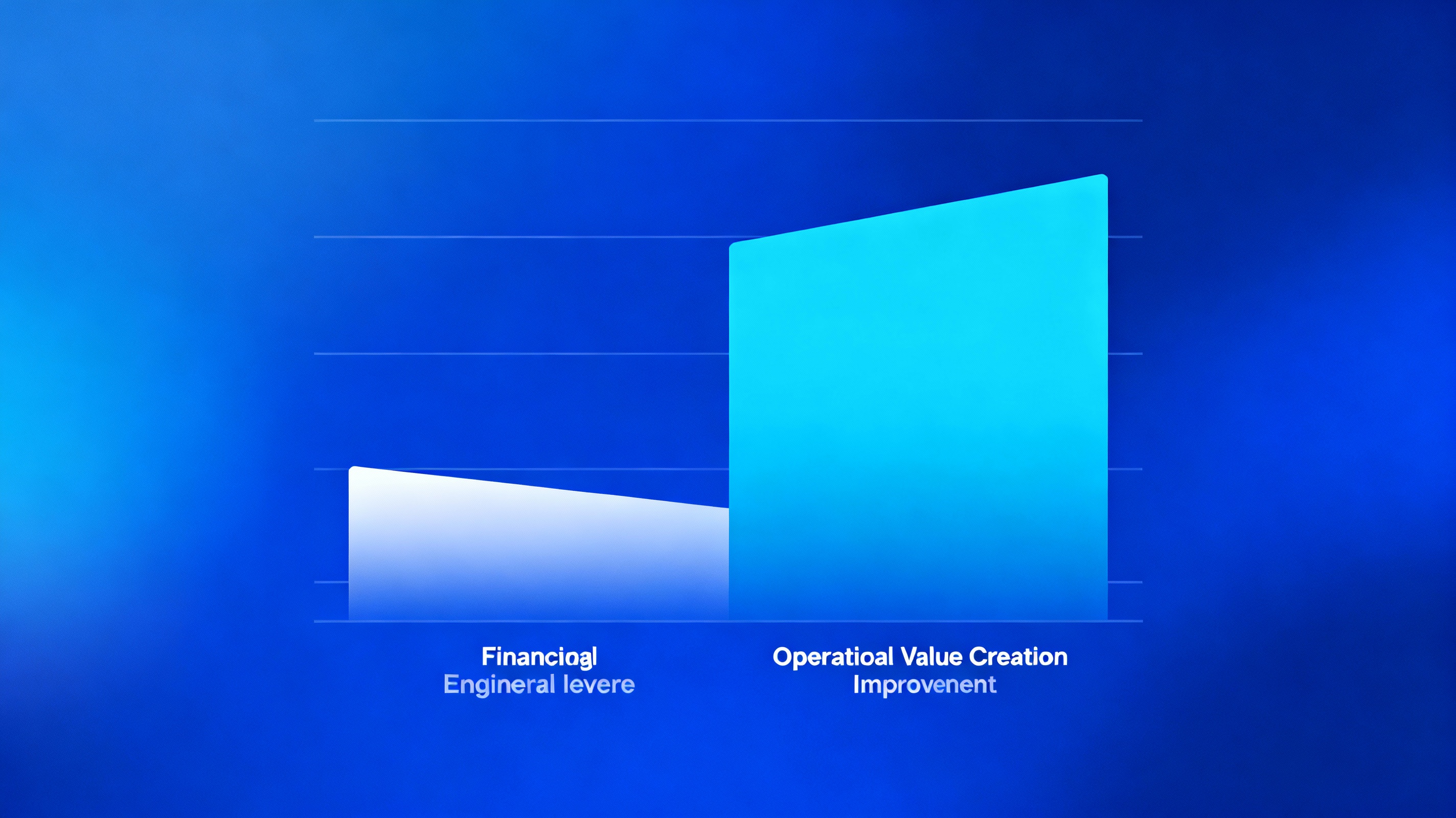
With dry powder at record levels—$2.62 trillion globally—and interest rates still elevated, the era of cheap leverage is over. Financial engineering alone no longer generates the returns LPs expect. Value creation now hinges on airtight execution, not financial structuring.
For executive search, this represents a fundamental shift. PE firms are no longer asking "Can you find us a candidate?" They're asking "Will this leader drive the next stage of growth?"
The Market Reality
The numbers explain the urgency:
$2.62 trillion in global private equity dry powder—capital that must be deployed but is finding fewer attractive targets at reasonable valuations.
6.4 years average holding period, up from historical norms of 4-5 years, as exit markets remain challenging.
30,000+ companies in the portfolio backlog, creating unprecedented pressure to generate returns through operational improvement rather than multiple expansion.
After the worst decline in dealmaking since the global financial crisis, buyout investment bounced back 37% in 2024 to $602 billion. But deal count grew only 10%—meaning firms are placing bigger, more concentrated bets that demand exceptional leadership to deliver returns.
What PE Firms Are Actually Looking For
The bar has risen dramatically. Execution beats pedigree. PE firms now seek leaders who can:
Drive Operational Improvement
With financial engineering constrained, the primary value creation lever is now operational excellence. This means leaders who can:
- Optimize cost structures without damaging growth capability
- Implement digital transformation that delivers measurable ROI
- Build workforce efficiencies across distributed operations
Navigate Volatility
It takes different DNA to lead in a volatile environment than in a growth one. Tariffs disrupting supply chains, inflation affecting pricing, and uncertain exit timing require adaptive leadership that can execute through ambiguity.
Deliver Under Compressed Timelines
PE timelines are unforgiving. Leaders must create measurable value within 18-24 months while building toward exit readiness. The luxury of multi-year transformation programs doesn't exist.
Understand AI-Driven Operations
59% of private equity firms now view AI as a key driver of competitive advantage. Today's portfolio company leaders must be capable of leveraging AI-driven insights, predictive analytics, and automation tools to drive margin growth.
The Shifting C-Suite Demand
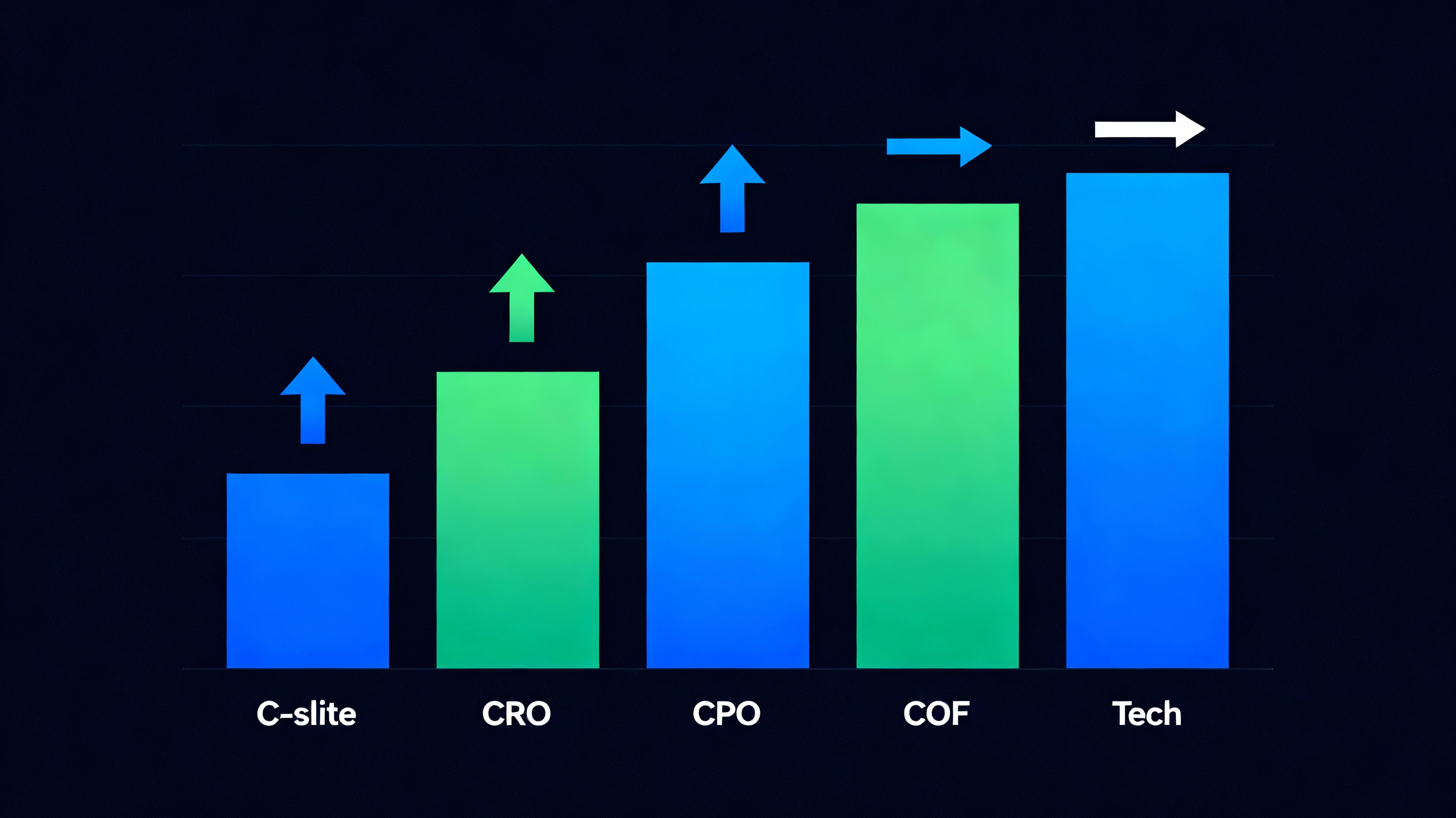
PE hiring patterns reveal where the focus has moved:
High Growth Roles:
- Chief Revenue Officers have experienced the most significant hiring growth, reflecting pressure to accelerate top-line performance
- Chief Product Officers and customer experience leaders are in demand as PE firms prioritize product-led growth
- CHROs are seeing renewed importance as talent becomes a critical value creation lever
Stable or Declining Roles:
- Traditional CFO demand remains steady but hasn't grown
- Technology leadership hiring has plateaued outside of AI-specific capabilities
- General management roles without clear P&L ownership are less attractive
The pattern is clear: PE firms want leaders who directly drive revenue and operational improvement, not functional specialists without P&L accountability.
The Search Process Has Changed
PE firms are conducting two or more additional interviews on average per search compared to prior years—even as public companies have streamlined their processes. This reflects:
Higher Stakes: With bigger deals and longer hold periods, leadership mistakes are more costly than ever.
Deeper Diligence: Firms evaluate not just current capability but leadership durability—whether candidates can adapt as portfolio companies scale through different business stages.
Cultural Assessment: Strong performers in corporate environments may not succeed in PE settings. Firms now rigorously assess decision-making style, comfort with ambiguity, and ability to operate without the resources of larger organizations.
Multiple Stakeholder Alignment: Operating partners, deal teams, and portfolio company boards all have input—creating complex consensus requirements that extend search timelines.
Compensation Realities
The demand for C-suite and VP talent within portfolio companies remains intensely competitive due to supply shortages and high-stakes deals. Key dynamics include:
Elevated Cash and Equity: Candidates increasingly seek compensation packages that reflect 2021 peak-market expectations, despite different market conditions.
Equity Structure Complexity: With extended hold periods, standard 4-5 year vesting schedules no longer align with likely exit timing. Firms are redesigning incentive structures to retain talent through the full investment lifecycle.
Competing with Corporate: Public companies offer more stability and often competitive compensation. PE must differentiate through equity upside, leadership scope, and career acceleration.
What This Means for Executive Search
For search firms serving PE, the implications are significant:
Operational Expertise Required: Recruiters must deeply understand operational value creation, not just executive placement. The search mandate has expanded from filling roles to placing inflection points—leaders who unlock growth and drive enterprise value.
PE-Specific Assessment: Evaluating candidates for PE-backed environments requires different frameworks than corporate search. Understanding how to assess PE fitness is now table stakes.
Speed with Rigor: Elite PE-focused firms close searches in approximately 100 days, compared to the industry standard of 180 days. Velocity matters, but not at the expense of quality.
Ongoing Partnership: The relationship doesn't end at placement. Search partners who support leadership development, succession planning, and exit-readiness assessment create enduring value for PE clients.
The Path Forward
2025 is shaping up as a transition year—dealmakers are deploying capital more selectively, but with dry powder at record highs and momentum building, the groundwork for a robust cycle in late 2025 and 2026 is taking shape.
For PE firms, this means moving now to secure leadership talent. The executives who can drive operational value creation are in finite supply, and competition for them will only intensify as deal flow accelerates.
For leaders considering PE opportunities, the message is clear: operational excellence, adaptability, and AI fluency now matter more than pedigree or prior PE experience. The firms that recognize this shift—and build leadership teams accordingly—will be best positioned to deliver returns in a transformed market.
---
Seeking operational leaders for your portfolio companies? [Contact GracePeak](/contact) to discuss how we help PE firms build value creation-focused leadership teams.