

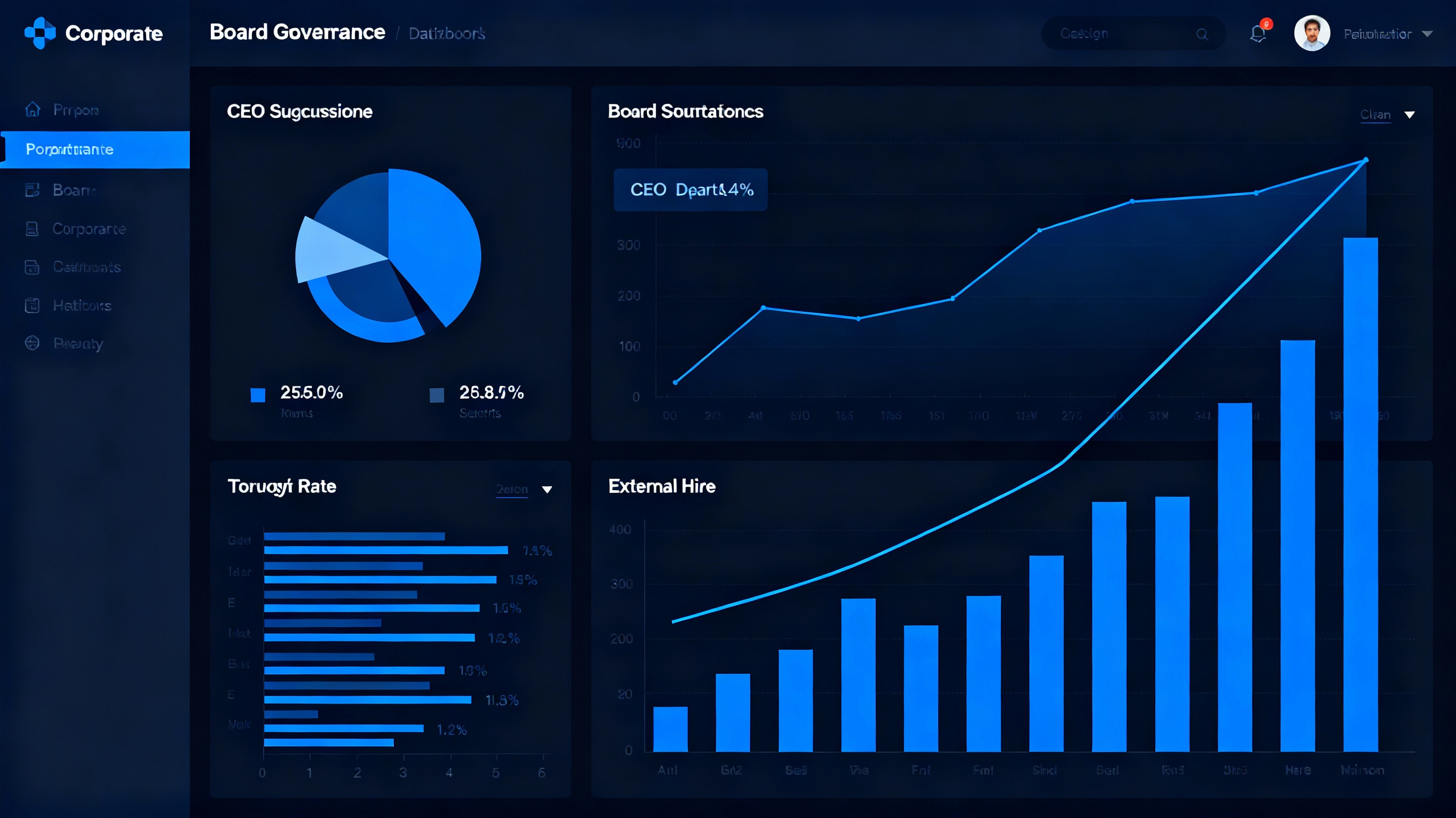
The numbers tell a stark story: CEO departures reached 646 in Q1 2025—up 43% from the same period in 2024. Nearly 44% of replacements came from outside the organization, exposing weak internal benches. And only 21% of directors consider their succession planning "excellent".
This isn't a talent crisis. It's a governance crisis. And boards own it.
Where Boards Are Failing
Research from Harvard Business Review identifies ten pitfalls that undermine CEO succession. Most trace directly to board behavior:
Starting Too Late
One of the most costly mistakes in CEO succession is starting too late. Boards often underestimate the time required to identify, prepare, and develop a CEO-ready candidate. One director interviewed noted: "Someone needed three roles before becoming CEO, each requiring three years. We needed to get started immediately."
Yet 56% of companies don't set succession plans in motion three, five, or ten years before a leadership change. When planning begins only after a transition seems imminent, the result is a compressed, reactive process—leading to underdeveloped successors and greater reliance on external hires.
Misaligned CEO Profiles
There's a dangerous disconnect between strategy and succession. 72% of directors say their boards have analyzed future strategy, but only 58% agree that their CEO profile reflects future needs.
Boards define what they want in a successor based on current challenges, not where the company needs to go. The result: candidates developed for yesterday's requirements, not tomorrow's.
Shallow Board Discussions
Only 35% of directors feel boards allocate sufficient time to succession planning. Succession becomes an annual checkbox rather than an ongoing strategic priority.
When directors lack direct exposure to emerging leaders beyond management summaries, they can't evaluate candidates with the depth required for the organization's most consequential decision.
Letting the Outgoing CEO Control the Process
The "imperial incumbent" problem: outgoing CEOs often exert excessive influence over selection—a process the board should own independently. Resistance from departing CEOs—driven by retirement discomfort, legacy concerns, or control fears—can paralyze the entire process.
As one director observed: "I'm not ready to go, so I'm going to make sure there's nobody who can do the job."
The Cost of Board Failure
The consequences compound:
- External hire premium: Externally hired CEOs are paid 33% more than internal promotions
- Higher failure risk: External hires face steeper integration challenges and cultural friction
- Boomerang dependency: 22 S&P 1500 companies reappointed former CEOs in 2024-2025—more than any time in the past decade
- Interim instability: 33% of newly named CEOs in 2025 stepped into roles on an interim basis, compared to just 9% last year
When boards fail at succession, they pay more, risk more, and often end up with stopgap solutions rather than strategic leadership.
How to Fix It
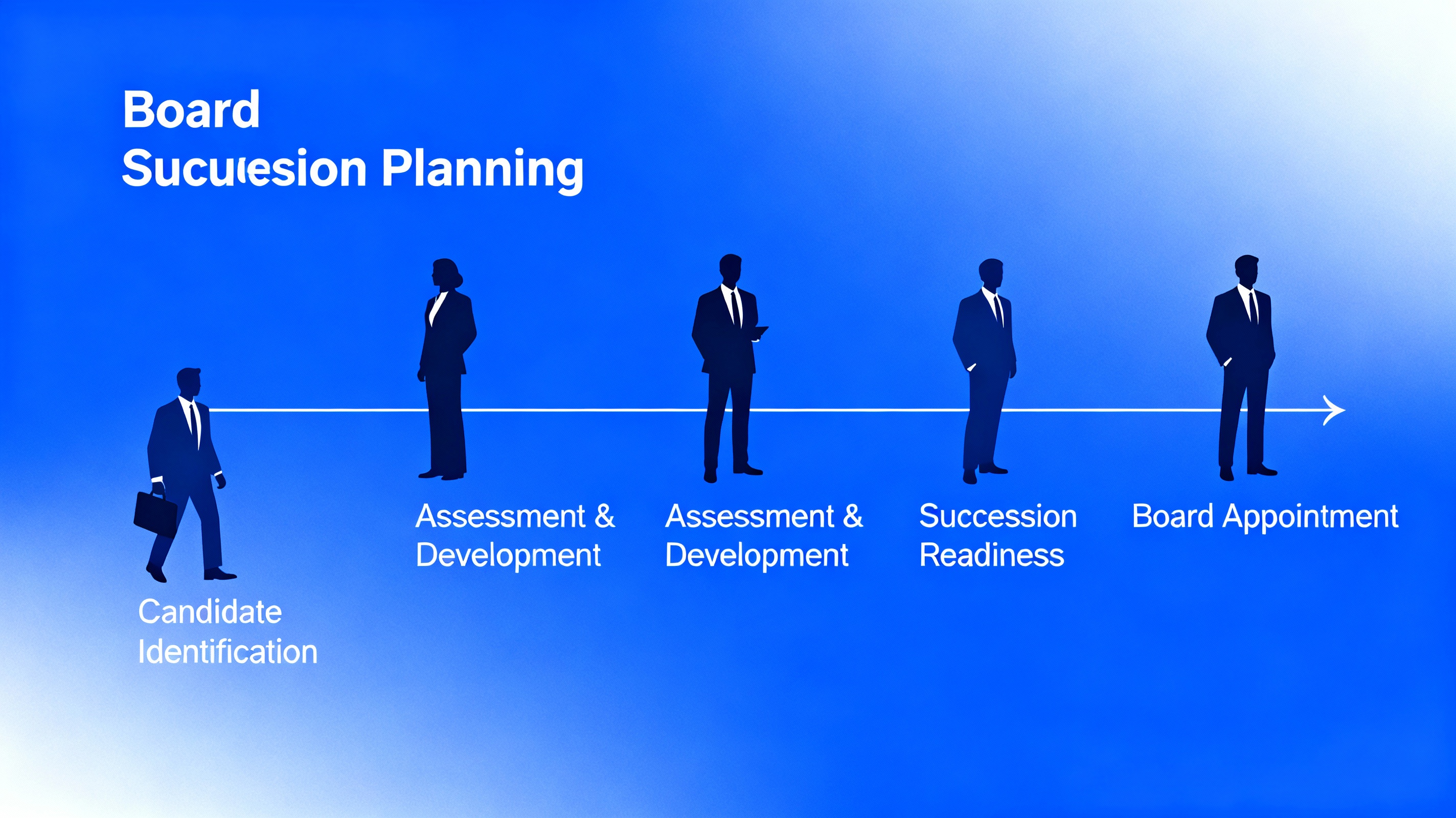
Boards that get succession right share common practices:
Make Succession a Standing Agenda Item
The best way to prevent CEO succession planning from becoming an awkward affair is to make it routine. When a company hires a new CEO, work should start the following quarter on finding a successor.
Frame it as good governance and an important aspect of the organization's talent planning—not as a threat to the current CEO.
Define Roles and Accountability
Overseeing CEO succession is widely considered a full board responsibility. But determining who does what within that mandate can be challenging. Most boards designate the nominating and governance or compensation committees to lead these efforts.
No matter the structure, establish clearly defined roles and responsibilities. Ambiguity creates drift; drift creates crisis.
Align the CEO Profile with Future Strategy
Before evaluating candidates, boards must align on what the company will need from its next leader. This requires explicit discussion of:
- Where the business is heading in 5-10 years
- What leadership capabilities that future demands
- How current internal candidates map against those requirements
- What development would close identified gaps
Get Direct Exposure to Internal Talent
Directors need unfiltered access to potential successors—not just presentations curated by the current CEO. Board confidence in succession planning averages just 2.8 out of 5, partly because directors don't know candidates well enough to evaluate them.
Create structured opportunities for directors to observe and interact with high-potential leaders in substantive settings.
Develop an Emergency Plan
59% of board members have experienced at least one sudden executive departure in the past two years. Yet most boards aren't prepared for the next one.
Develop an emergency succession plan that identifies strong interim candidates who can step in quickly. Having emergency CEO candidates spend time with the board and current CEO will help smooth any forced transition.
The Accountability Standard
The data is clear: S&P 500 CEO turnover is at a 20-year high. External appointments have nearly doubled—from 18% in 2024 to 33% in 2025. These aren't just statistics—they're evidence of systematic governance failure.
Boards that treat succession as a periodic exercise rather than an ongoing strategic priority will continue to find themselves scrambling for external candidates, overpaying for talent, and accepting higher transition risk.
The fix isn't complicated. It requires starting earlier, engaging more deeply, and taking ownership of the process rather than delegating it to outgoing leadership. The 21% of boards who rate their succession planning as excellent have figured this out. The other 79% are the source of the crisis.
---
Concerned about your board's succession readiness? [Contact GracePeak](/contact) to discuss how we help organizations build robust CEO succession strategies.