
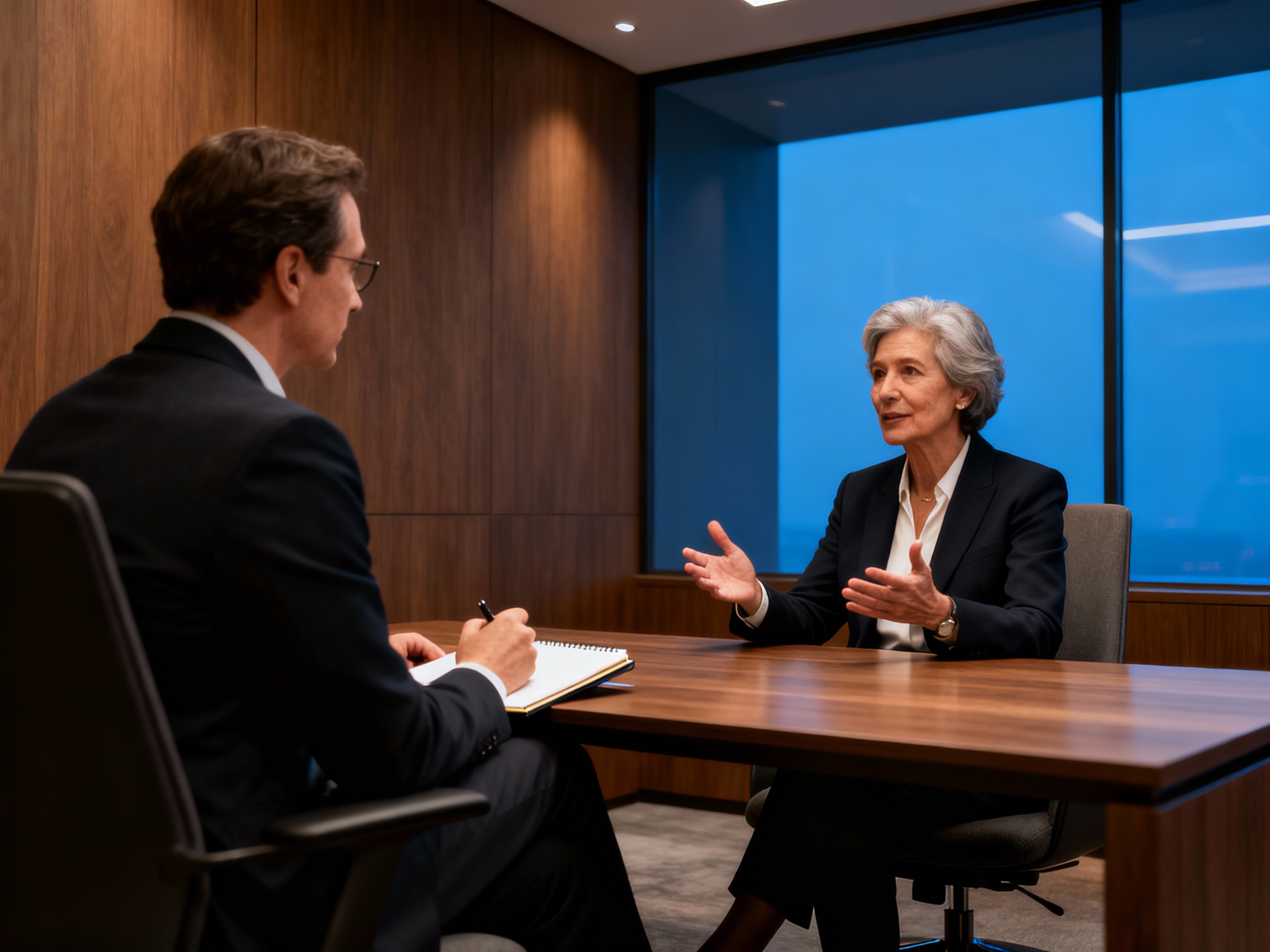
The Paradox of the Uncoached CEO
No one questions why Serena Williams has a coach. No one wonders why Tom Brady worked with performance specialists throughout his career. Elite athletes at the peak of their abilities invest heavily in coaching—and everyone understands why.
Yet when it comes to CEOs—executives making decisions that affect thousands of employees, billions in capital, and entire industries—coaching is often viewed with suspicion.
The resistance narrative:
- "I didn't get here by needing help"
- "Coaching is for people with problems"
- "I don't have time for that"
- "What could a coach tell me that I don't already know?"
The reality:
- Over 70% of Fortune 500 CEOs work with executive coaches
- Companies with strong coaching cultures report 21% higher profitability
- CEOs with coaches demonstrate measurably better decision-making under pressure
- The ROI on executive coaching averages 5-7x the investment
The paradox: leaders who believe they don't need coaching are often the ones who need it most. And leaders who embrace coaching are usually already performing at high levels—and getting better.
Why CEOs Need Coaches Differently
The Isolation Problem
The CEO role is uniquely isolating. The higher you rise, the less honest feedback you receive.
The isolation dynamics:
Information filtering: Employees filter what they share with CEOs. Bad news gets softened. Concerns get minimized. The CEO receives a curated version of reality.
Political calculation: Everyone who interacts with the CEO has interests at stake. Pure, agenda-free feedback becomes rare.
Competence expectation: CEOs are expected to know everything. Admitting uncertainty or seeking guidance can feel like weakness.
Peer scarcity: Few people understand CEO challenges. The CEO's spouse, friends, and even board members may not grasp the specific pressures of the role.
What coaches provide:
An external perspective without agenda. Someone who can tell the CEO what no one else will. A relationship where vulnerability is safe and honest feedback is guaranteed.
The Blind Spot Problem
Everyone has blind spots. CEOs have blind spots with outsized consequences.
CEO blind spot categories:
Self-perception gaps: How CEOs see themselves versus how others experience them. The gap can be substantial and consequential.
Decision pattern blindness: Habitual approaches that worked in the past but may not fit current challenges. CEOs often can't see their own patterns.
Relationship blind spots: How CEO behavior affects key relationships—with boards, teams, and stakeholders. Impact often differs from intention.
Stress response blindness: How CEOs behave under pressure may differ from how they think they behave. These differences matter.
What coaches provide:
A mirror that reflects accurately. Feedback mechanisms that surface blind spots. Tools and frameworks for self-awareness that busy CEOs rarely develop alone.
The Development Gap
CEOs rarely receive development support. Everyone assumes they've already developed.
The development paradox:
Career development stops: Most development programs target people on their way to senior roles, not people already in them.
Learning expectations reverse: CEOs are expected to teach others, not learn themselves. The mindset shifts from growth to performance.
Time constraints intensify: The CEO role leaves little time for reflection, learning, or skill development.
Pride interferes: Admitting development needs can feel like admitting inadequacy.
What coaches provide:
Structured development in the role. Ongoing learning despite time constraints. A development relationship that matches CEO-level challenges with CEO-appropriate support.
What Effective CEO Coaching Looks Like
It's Not Therapy
CEO coaching is sometimes confused with therapy. The confusion undermines both.
The differences:
Focus: Therapy addresses psychological healing and emotional processing. Coaching addresses performance enhancement and capability development.
Orientation: Therapy often explores the past to understand the present. Coaching focuses on the present and future to improve performance.
Relationship: Therapists maintain professional distance. Coaches often become trusted advisors and thinking partners.
Outcomes: Therapy aims for psychological health. Coaching aims for leadership effectiveness.
The overlap:
Some CEO challenges have psychological dimensions—stress, imposter syndrome, relationship patterns rooted in personal history. Good coaches recognize when these dimensions matter and when therapy referral is appropriate.
It's Not Consulting
Coaching also differs from consulting, though both involve external advisors.
The differences:
Expertise model: Consultants provide answers based on their expertise. Coaches help CEOs find their own answers through structured inquiry.
Dependency: Consulting can create dependency on external expertise. Coaching builds CEO capability and independence.
Scope: Consultants address specific business problems. Coaches address the CEO's effectiveness across all challenges.
Process: Consulting delivers recommendations. Coaching develops the CEO's ability to generate and evaluate their own options.
The overlap:
Some situations call for both. Coaches may provide perspective on business challenges. Consultants may coach clients through implementation. The best CEOs use both appropriately.
What It Actually Is
Effective CEO coaching is a structured relationship focused on enhancing CEO performance.
Core elements:
Regular engagement: Typically 2-4 sessions per month, each 60-90 minutes. Consistency matters more than intensity.
Structured process: Sessions follow frameworks that ensure productive use of time. Agenda-setting, exploration, action planning, and accountability.
Confidentiality: Absolute confidentiality creates safety for honest exploration. What happens in coaching stays in coaching.
Challenge and support: Coaches push CEOs beyond comfort zones while providing support for the discomfort.
Action orientation: Sessions produce insights and actions. Coaching without behavior change isn't coaching.
The Coaching Engagement Types
Transition Coaching
New CEOs face unique challenges that coaching can address.
Transition coaching focus:
First 90-180 days: Navigating the critical early period. Building relationships, assessing situations, establishing presence.
Role transition: Shifting from previous role mindset to CEO mindset. Different scope, different stakeholders, different pressures.
Relationship building: Developing effective relationships with board, team, and key stakeholders during the critical formation period.
Quick wins and early decisions: Identifying and executing early actions that build credibility and momentum.
Transition coaching outcomes:
Faster time to effectiveness. Fewer transition mistakes. Stronger initial relationships. Better foundation for long-term success.
Performance Coaching
Established CEOs use coaching for ongoing performance enhancement.
Performance coaching focus:
Continuous improvement: Identifying and addressing performance gaps. Building on strengths. Developing in areas of weakness.
Challenge navigation: Working through specific challenges—strategic decisions, organizational issues, stakeholder relationships.
Stress management: Maintaining effectiveness under the sustained pressure of CEO responsibility.
Balance and sustainability: Managing energy, health, and relationships alongside performance demands.
Performance coaching outcomes:
Sustained high performance. Better decision quality. Improved stakeholder relationships. Longer, more successful tenure.
Transformation Coaching
CEOs leading major organizational change need coaching support.
Transformation coaching focus:
Change leadership: Building capabilities to lead transformation effectively. Vision, communication, resistance management.
Personal transformation: CEOs often must change themselves to change their organizations. Coaching supports personal evolution.
Stakeholder alignment: Managing diverse stakeholder interests during disruptive change.
Resilience: Maintaining effectiveness through the sustained difficulty of transformation.
Transformation coaching outcomes:
More successful change initiatives. Less personal burnout. Better stakeholder management. Sustainable transformation.
Crisis Coaching
CEOs facing crises need immediate, intensive support.
Crisis coaching focus:
Decision support: Clear thinking under extreme pressure. Avoiding panic-driven mistakes.
Communication guidance: Stakeholder communication during crisis. Message development, timing, and delivery.
Personal steadiness: Maintaining composure when others are watching for leadership signals.
Recovery planning: Moving from crisis response to recovery and learning.
Crisis coaching outcomes:
Better crisis decisions. More effective crisis communication. Faster recovery. Personal resilience preserved.
Selecting the Right Coach
Qualifications That Matter
Not all coaches are equally effective. Selection matters.
Essential qualifications:
Business experience: Coaches who've operated at senior levels understand CEO context. They can engage substantively with business challenges.
Coaching credentials: Professional coaching certification (ICF or equivalent) indicates trained methodology. Credentials alone aren't sufficient, but absence is a warning sign.
CEO-specific experience: Coaching CEOs differs from coaching other executives. Experience with CEO-level challenges matters.
Chemistry fit: The coaching relationship requires trust and connection. Personal chemistry enables effective work.
Qualifications to question:
Famous names: Celebrity coaches may be more brand than substance. Evaluate capability, not reputation.
Single methodology: Coaches rigid about one approach may not adapt to CEO needs. Flexibility indicates sophistication.
Guaranteed outcomes: Coaching involves too many variables for guarantees. Promises of specific results suggest overselling.
The Selection Process
Finding the right coach requires structured evaluation.
Selection steps:
Define needs: What do you need from coaching? Transition support? Ongoing development? Specific challenge navigation?
Source candidates: Board members, peers, search firms, and coaching organizations can provide referrals. Multiple sources yield better options.
Screen credentials: Verify experience, training, and references. Request case examples (anonymized).
Chemistry meetings: Meet 3-5 candidates. Assess personal connection and approach fit. Trust your instincts about relationship potential.
Trial engagement: Start with a defined trial period (3-6 months) before committing long-term. Evaluate fit before extending.
Red Flags to Avoid
Warning signs in coach selection:
Overselling: Coaches who promise transformation or guarantee results are selling, not coaching.
Name-dropping: Excessive reference to famous clients suggests insecurity about substance.
Rigidity: Insistence on specific methodologies without adaptation to your needs.
Advice overload: Coaches who immediately offer solutions rather than exploring your situation.
Confidentiality ambiguity: Any hesitation about absolute confidentiality disqualifies.
Time pressure: Coaches who pressure quick commitment rather than allowing thoughtful selection.
Making Coaching Work
CEO Responsibilities
Coaching effectiveness depends on CEO engagement, not just coach quality.
CEO responsibilities:
Commitment: Protecting coaching time despite competing demands. Treating sessions as non-negotiable.
Openness: Being genuinely honest with coaches. Defensiveness or impression management undermines value.
Reflection: Doing the thinking work between sessions. Coaching requires processing, not just attending.
Action: Implementing insights from coaching. Knowledge without behavior change wastes the investment.
Feedback: Telling coaches what's working and what isn't. The relationship improves through honest feedback.
Organizational Context
How coaching fits the organizational context matters.
Context considerations:
Board awareness: Boards should know the CEO has coaching support—framed as performance investment, not remediation.
Confidentiality boundaries: Clear understanding of what's shared and what isn't. Coaching content stays confidential; coaching existence need not.
Integration with development: Coaching should complement other development—board feedback, 360 assessments, peer learning.
Success metrics: Define what successful coaching looks like. How will you know it's working?
Duration and Evolution
Coaching relationships evolve over time.
Typical evolution:
Initial phase (3-6 months): Intensive engagement. Relationship building. Assessment and goal-setting.
Development phase (6-18 months): Core coaching work. Addressing primary development areas. Building new capabilities.
Maintenance phase (ongoing): Less frequent engagement. Continued support for ongoing challenges. Periodic intensive work on new issues.
When to end or change:
Diminishing returns: If sessions no longer produce insight or action, evaluate whether the engagement has run its course.
Relationship staleness: Long coaching relationships can become too comfortable. Fresh perspective may require new coach.
Changed needs: Different challenges may require different coaching expertise. Evolve as needs evolve.
The ROI Reality
Measuring Coaching Value
Coaching ROI is real but challenging to measure precisely.
Measurable dimensions:
Behavioral change: Observable differences in CEO behavior—decision-making, communication, relationship quality. 360 assessments can track.
Performance outcomes: Business results during coaching engagement. Attribution is imperfect but correlation can be observed.
Tenure and transitions: CEOs with coaching support show longer, more successful tenures and smoother transitions.
Avoided mistakes: Harder to measure but often most valuable—decisions not made, conflicts not escalated, crises not created.
The Investment Perspective
Coaching economics:
Typical investment: $150K-$500K annually for comprehensive CEO coaching. Sounds significant until contextualized.
Context: CEO compensation often exceeds $10M. Coaching investment is 1-5% of CEO cost.
Comparison: A single avoided strategic mistake can save multiples of lifetime coaching investment.
Opportunity: Even modest improvement in CEO effectiveness creates massive organizational value.
The real question:
Not "Can we afford coaching?" but "Can we afford not to provide our CEO every reasonable support for maximum effectiveness?"
The Bottom Line
The world's best CEOs have coaches. They have coaches not because they're weak, but because they're committed to being better. They understand that elite performance requires elite support.
What CEOs should do:
Overcome resistance: If you resist coaching, examine why. The resistance often indicates exactly the blind spots coaching could address.
Select carefully: Find a coach with relevant experience, strong credentials, and genuine chemistry fit.
Engage fully: Make coaching work by showing up authentically, doing the work between sessions, and acting on insights.
Evaluate honestly: Assess whether coaching is delivering value. Adjust or change if it isn't.
What boards should do:
Expect coaching: Make CEO coaching standard practice, not optional extra. Build it into CEO support.
Fund appropriately: Ensure coaching investment is adequate for CEO needs. Underfunding undermines value.
Respect boundaries: Support coaching without intruding. Board interest in coaching content undermines confidentiality.
Model behavior: Board members who use coaches themselves normalize the practice for CEOs.
The question isn't whether CEOs are good enough to need coaching. The question is whether they're committed enough to excellence to embrace it.
The best CEOs answer that question clearly.
They have coaches.